Steam vs Dry Upholstery Cleaning: Which Method Is Right for Your Home?
Choosing the right upholstery cleaning method can protect your furniture and save you money. This article compares steam cleaning and dry cleaning for upholstered furniture, covering how each method works, which fabrics they suit best, and why Newcastle's coastal climate matters for your choice.
How Does Steam Cleaning Work on Upholstery?
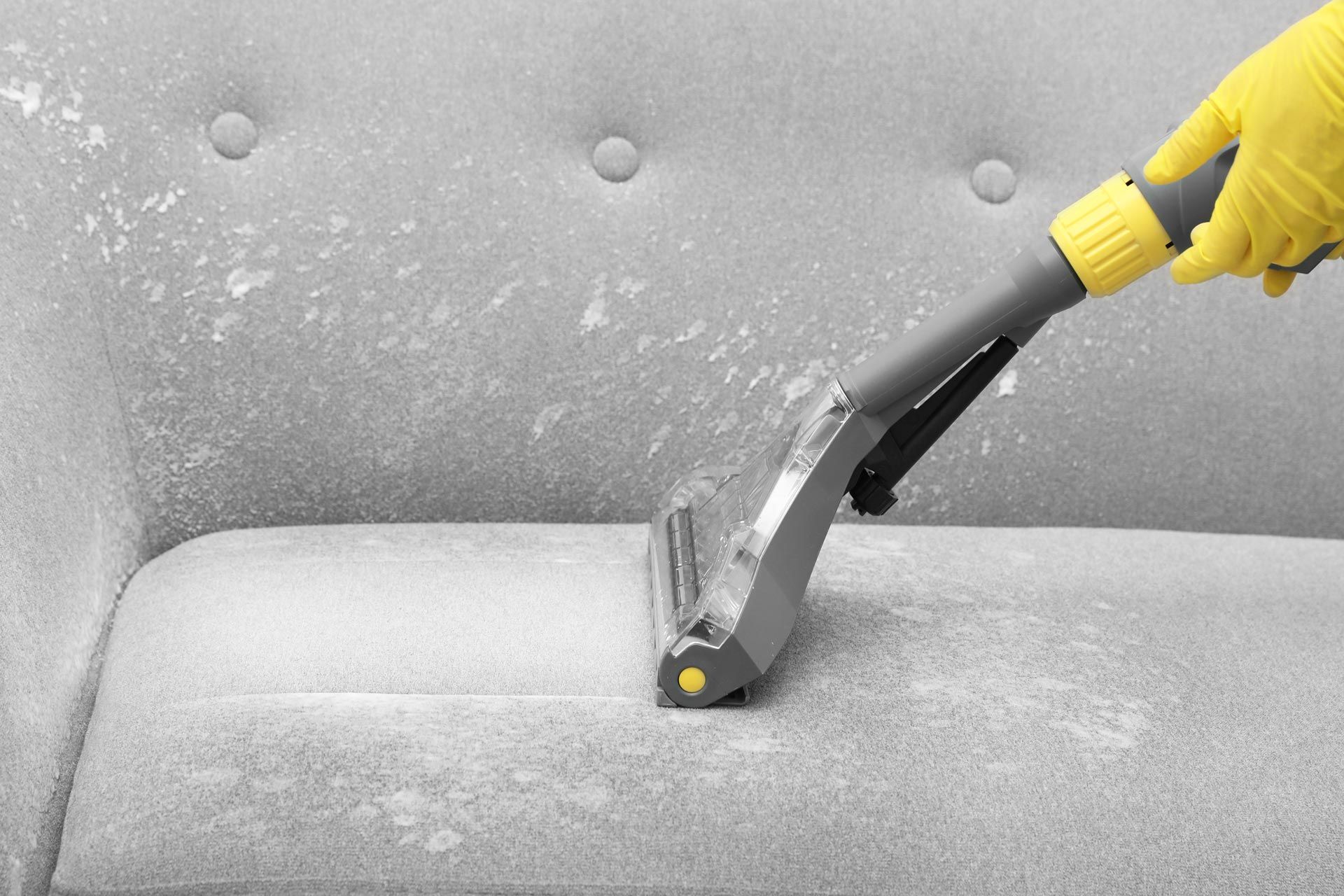
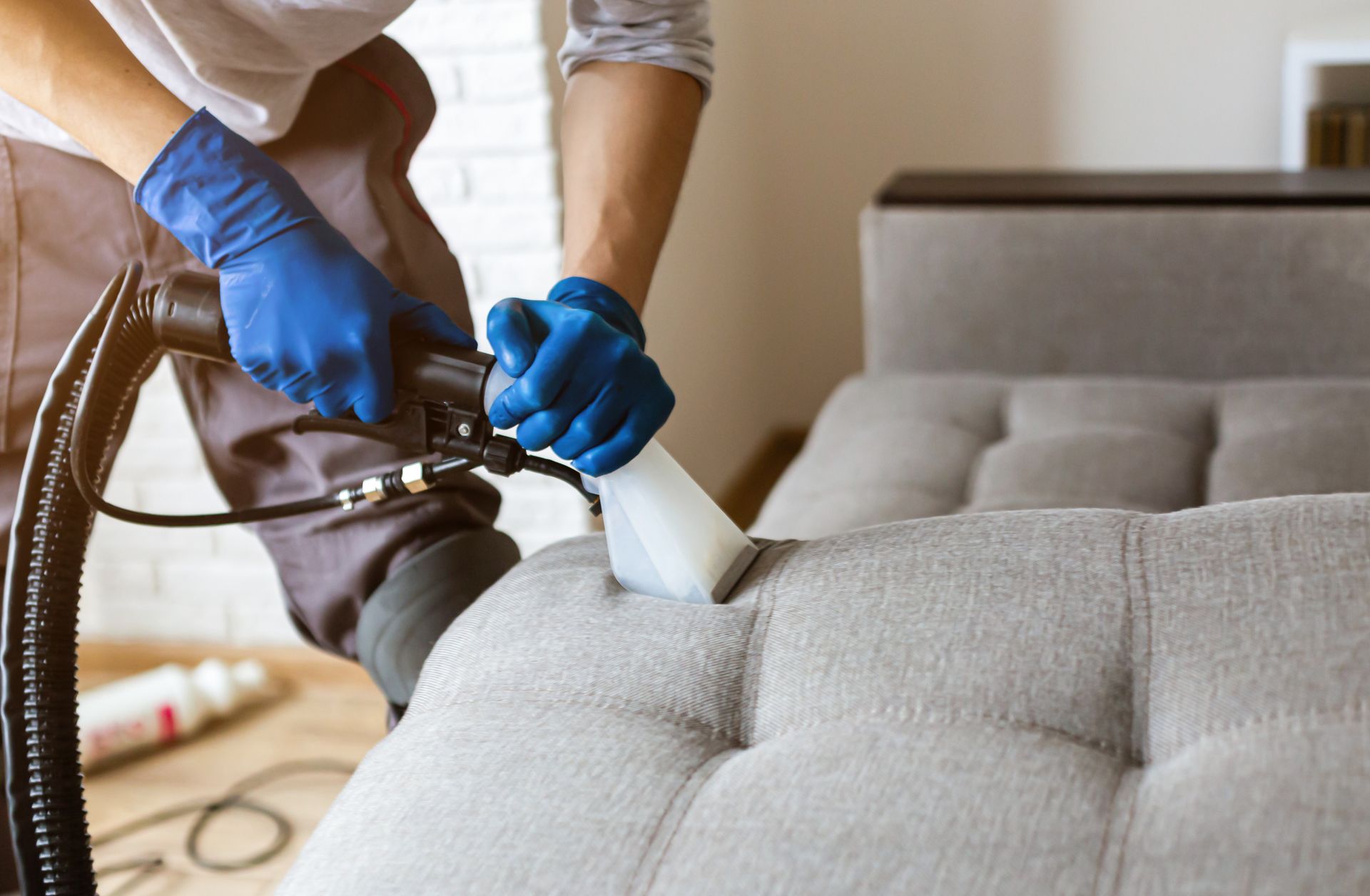
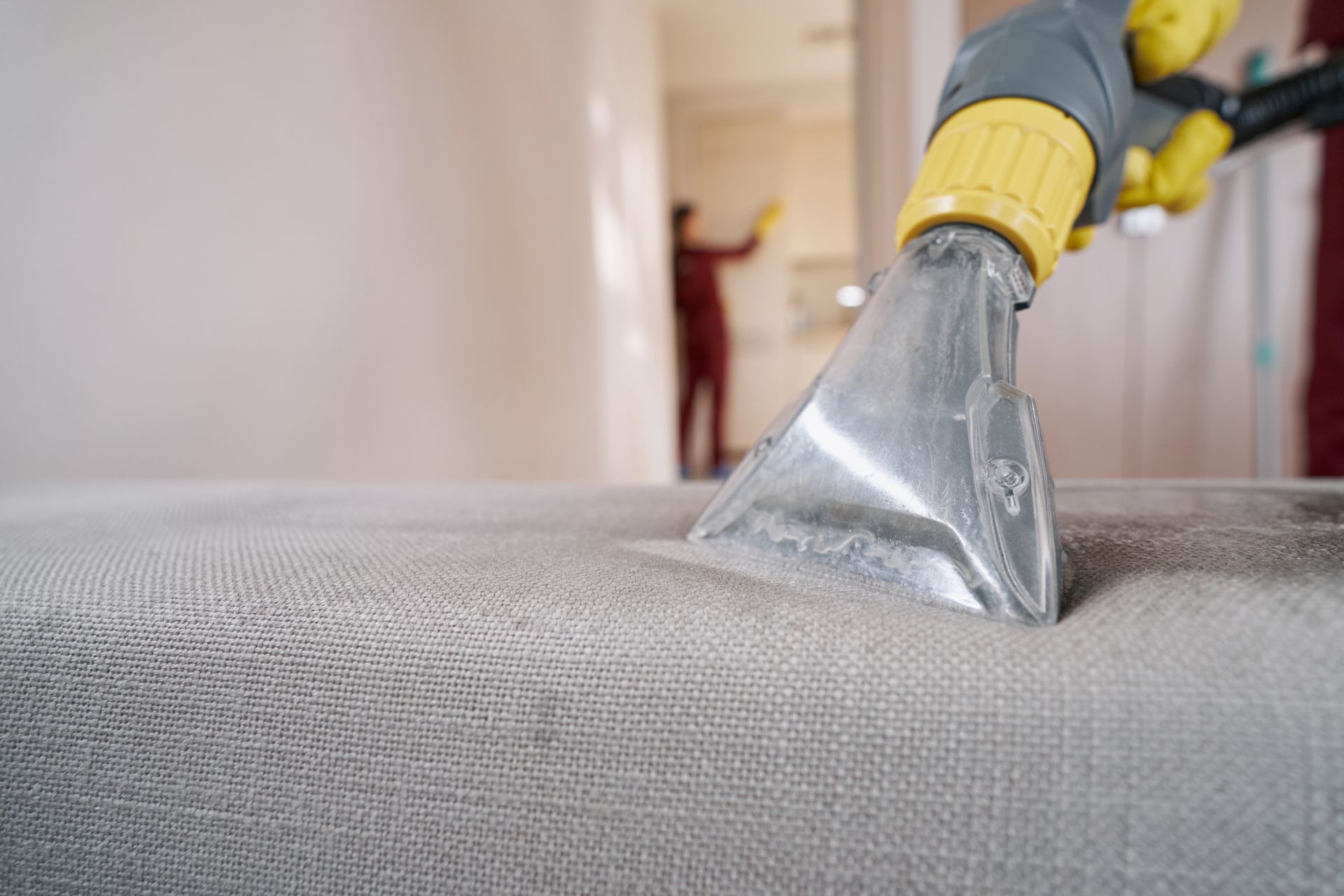
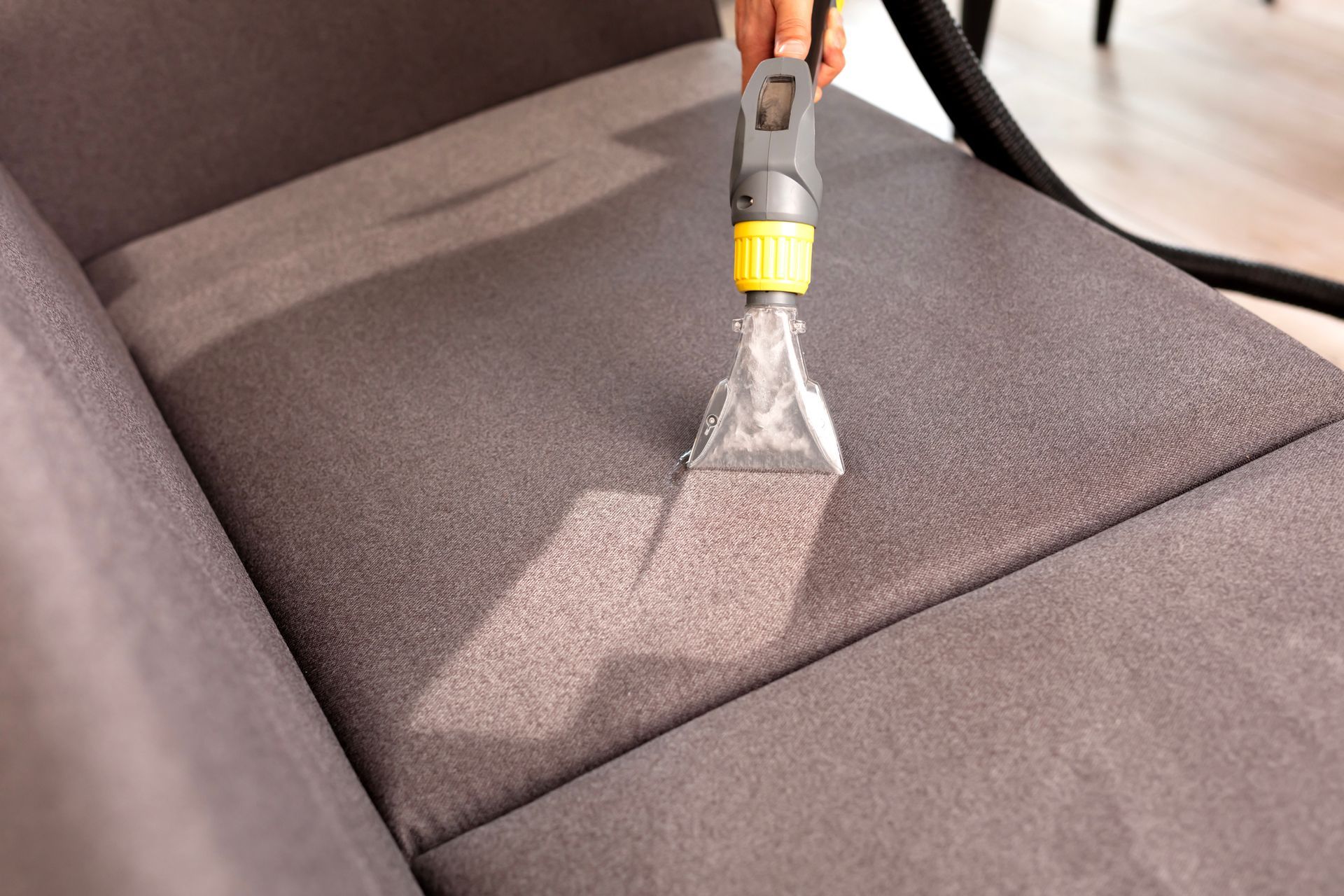
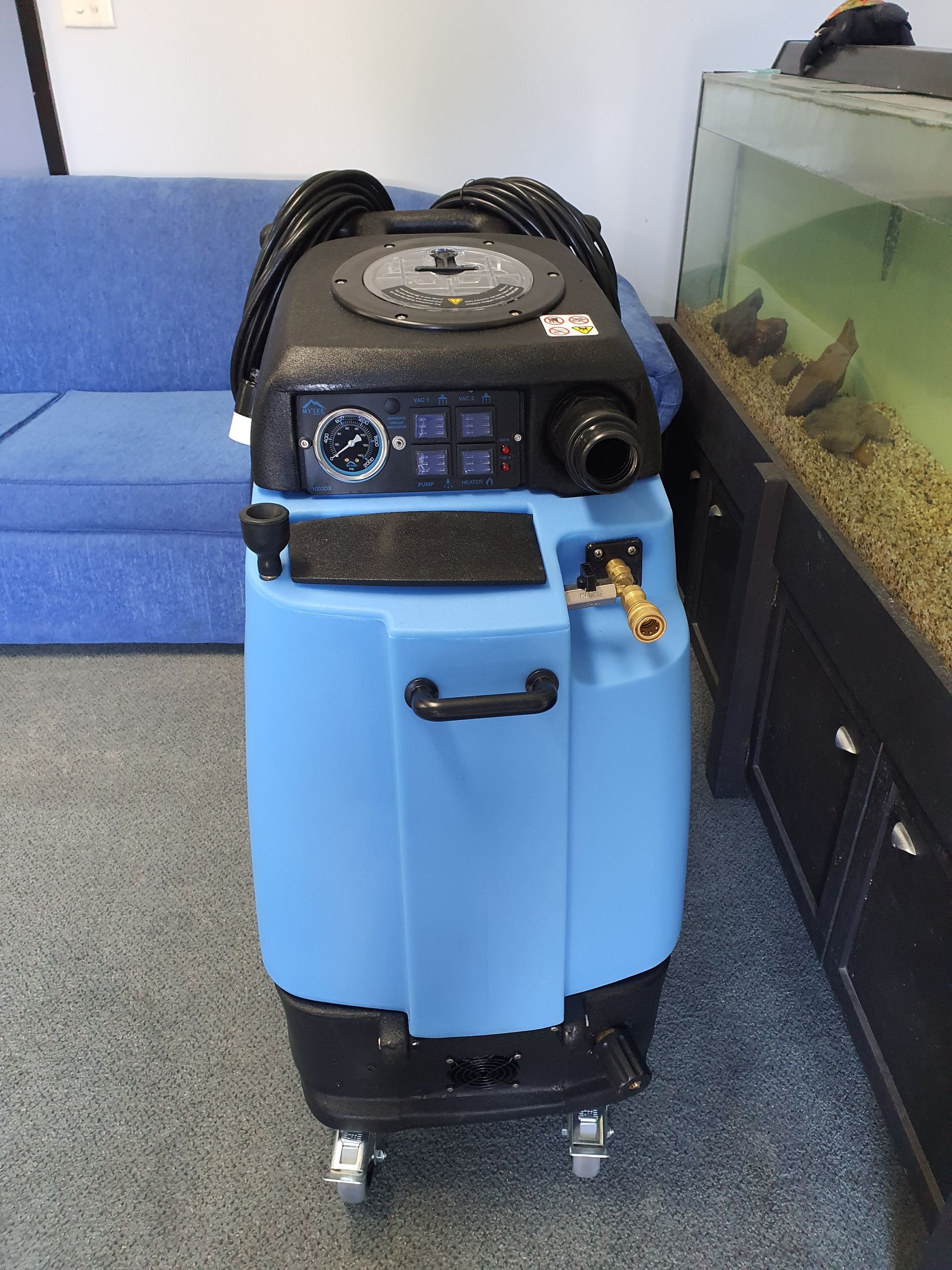
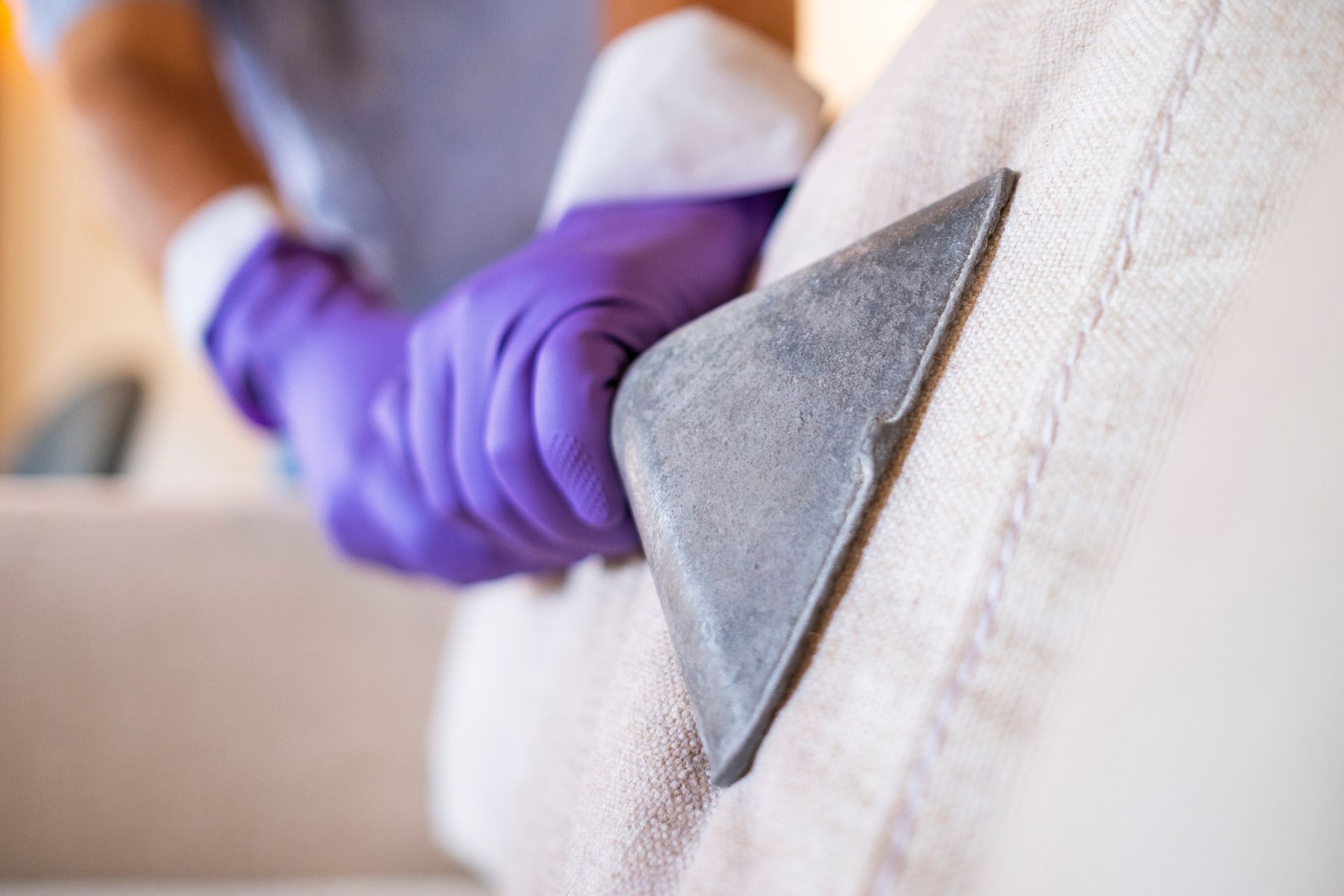
Steam cleaning, also called hot-water extraction, is the most thorough method for deep upholstery cleaning. A technician injects hot water and a cleaning solution into the fabric, and then extracts the moisture along with embedded dirt, allergens, and bacteria. The process can tackle heavy soiling, stubborn stains, and odours effectively. Most fabrics take between four and six hours to dry fully after treatment.
Newcastle's humid coastal climate can extend that drying time, particularly in the warmer months when humidity is high. Good ventilation, open windows, or fans can help speed things along significantly.
Best suited to: polyester, nylon, cotton blends, and most synthetic fabrics that can tolerate moisture without shrinking or warping.
What Is Dry or Low-Moisture Cleaning?
Dry cleaning, sometimes called low-moisture cleaning, uses specialised compounds or encapsulation solutions applied to the fabric surface. The compound binds to soils and is then vacuumed away, leaving very little residual moisture. Furniture can often be used again within the hour.
This method is a practical choice for Newcastle households that cannot afford long drying windows, or for delicate fabrics that may be damaged by heat and excess water.
Best suited to: leather, linen, silk, and microfibre, where excess moisture or high temperatures may cause shrinkage, watermarks, or fabric distortion.
Which Method Suits Your Fabric Type?
The right approach depends largely on what your furniture is made from.
Use this guide to match the method to your material:
- Microfibre is best suited to dry or low-moisture cleaning, as it is prone to watermarks and texture changes when exposed to excess moisture.
- Leather should always be treated with dry or low-moisture cleaning, as heat and excess water may crack or warp the material.
- Linen carries a high shrink risk with moisture or steam, making dry or low-moisture cleaning the safer option.
- Synthetic fabrics such as polyester and nylon respond well to steam or hot-water extraction, as they tolerate heat and benefit from deep cleaning.
Always check the manufacturer's cleaning code on your furniture tag before choosing a method. A "W" code indicates water-safe cleaning; an "S" code means solvent or dry cleaning only.
Ready to Book Professional Upholstery Cleaning?
Whether steam or dry cleaning is the right fit for your furniture, a professional assessment takes the guesswork out of the decision. Impact Carpet Cleaning serves Newcastle, NSW, and surrounding areas including Lake Macquarie, Maitland, and Port Stephens. The team can assess your fabric type and recommend the safest, most effective approach for your home.
Explore the full range of
upholstery cleaning services, or
get in touch today for a free quote. Call
(02) 4953 7777
<Link to call> to speak with the team directly.